Exempt Development vs Complying Development vs DA
The plain-English difference between exempt development, complying development, and a development application in NSW and similar approval pathways elsewhere.
This article is general planning guidance, not legal advice. Rules vary by property, council, state, overlays, and project details. Confirm the final pathway with council or a qualified professional before you build or lodge.
If you are in NSW, three phrases come up again and again: exempt development, complying development, and development application. They sound technical, but the basic idea is simple.
This article focuses on NSW language. Other states use different names, but the practical question is often similar: can the work happen without planning approval, can it use a faster approval pathway, or does it need a fuller assessment?
This is general planning guidance, not legal advice.
Exempt development
Exempt development is minor work that may not need planning or construction approval if it meets every relevant standard.
That final part matters. A project is not exempt just because it is a common project type. It must fit the rules for its category and site.
Examples that may be exempt in some cases include small fences, low decks, carports, garden sheds, and minor renovations. The exact answer depends on the rules, site constraints, and project details.
Complying development
Complying development is a faster approval pathway for straightforward work that meets preset standards. In NSW, approval is granted through a complying development certificate, often called a CDC.
A CDC can be issued by council or an accredited certifier. It is not the same as "no approval". It is a formal approval pathway, but it can avoid the longer development application process if the project fits the standards. For a fuller walkthrough of how these pathways fit together, see NSW exempt development, CDC and DA explained.
Development application
A development application, often called a DA, is used when a project needs development consent. Council or another consent authority assesses the proposal against planning controls and likely impacts.
A DA may be needed where the project is larger, outside preset standards, affected by overlays, close to boundaries, likely to affect neighbours, or otherwise more complex.
Why no DA does not always mean no rules
One of the biggest traps is assuming "no DA" means "just build it".
Even if a project does not need a DA, it may still need to meet planning standards, building standards, engineering requirements, pool barrier rules, tree rules, drainage rules, or approval from another authority.
For tradies, the safest customer answer is usually not "you are fine". It is: "This may be exempt or fast-track, but we need to check the property and project details."
What to tell customers
Use a simple three-part explanation:
- The project type matters.
- The property address matters.
- The dimensions and site constraints matter.
Then collect the facts before you quote. This makes the conversation feel professional without pretending to give legal advice.
How ApprovalPath helps
ApprovalPath checks the address, project type, zoning, overlays, and project answers, then creates a plain-English guide. For a customer, it explains the likely pathway. For a tradie, it turns a messy approval question into a structured lead.
Sources checked
Keep reading
Related approval guides
Do I Need Council Approval for My Project?
A plain-English guide to when a residential project may need council approval, a fast-track approval pathway, or no planning approval at all.
NSW Exempt Development, CDC and DA Explained
A practical guide to NSW approval pathways for residential projects: exempt development, complying development certificates, and development applications.
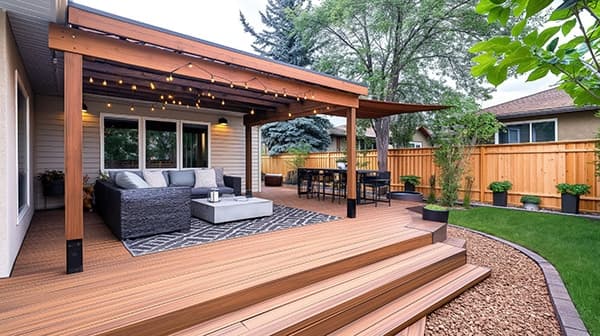
Do You Need Council Approval for a Deck in Australia?
A practical guide to the deck details that can change the council approval pathway, including height, area, setbacks, privacy, and overlays.